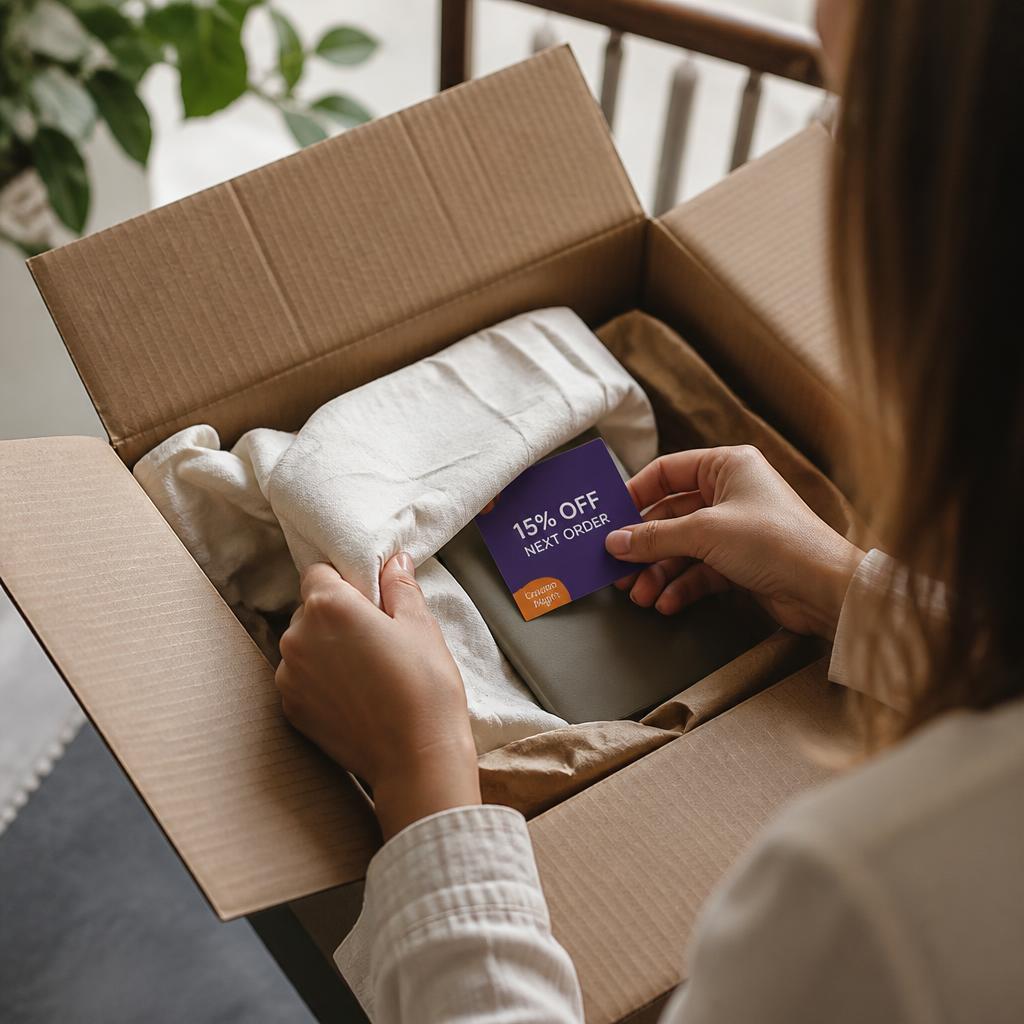


If you've ever searched for a coupon code before buying something online, you've already taken the first step into couponing.
The problem is that many beginners assume couponing is time-consuming or only worthwhile for extreme bargain hunters. In reality, saving money with coupons has never been easier.
With just a few simple habits, you can reduce the cost of everyday purchases without spending hours searching for deals.
Whether you're buying clothes, electronics, groceries, software, or travel, learning how to use coupons effectively can help you keep more money in your pocket.
This guide covers everything beginners need to know to start saving money online.
What Is a Coupon?
A coupon is a special offer that reduces the price of a product or service.
Years ago, coupons were mostly found in newspapers and magazines. Today, they're almost entirely digital.
You'll usually find online coupons in the form of:
- Coupon codes
- Promo codes
- Automatic discounts
- Free shipping offers
- Buy One, Get One promotions
- Store rewards
These discounts are applied during checkout, helping you pay less than the original price.
Why Do Stores Offer Coupons?
Many people wonder why retailers willingly reduce their prices.
The answer is simple.
Coupons help businesses:
- Attract new customers
- Increase sales
- Encourage repeat purchases
- Promote new products
- Compete with other retailers
For stores, offering a discount often leads to more orders.
For shoppers, it's an opportunity to save money without changing what they were already planning to buy.
Different Types of Coupons
Not every coupon works the same way.
Understanding the different types helps you choose the best offer.
Percentage Discounts
These reduce your total by a percentage.
Examples include:
- 10% Off
- 20% Off
- 30% Off
They're especially useful for expensive purchases.
Fixed-Dollar Coupons
Instead of a percentage, these remove a set amount from your order.
Examples include:
- $10 Off
- $25 Off
- $50 Off
These often require a minimum purchase.
Free Shipping
Shipping fees can quickly increase your total.
A free shipping coupon may save more than a small percentage discount.
Buy One, Get One Offers
Often called BOGO deals, these promotions let you receive another product for free or at a reduced price.
These offers are common in fashion, beauty, and food categories.
Where Beginners Should Look for Coupons
Finding coupons is easier than many people think.
Here are some of the best places to start.
Retailer Websites
Many stores advertise promotions directly on their homepage or sale pages.
Before searching elsewhere, visit the retailer's website to see if there's already an active offer.
Email Newsletters
Many online stores reward new subscribers with:
- Welcome discounts
- Free shipping
- Exclusive promo codes
If you're shopping at a store for the first time, signing up can provide an instant saving.
Coupon Websites
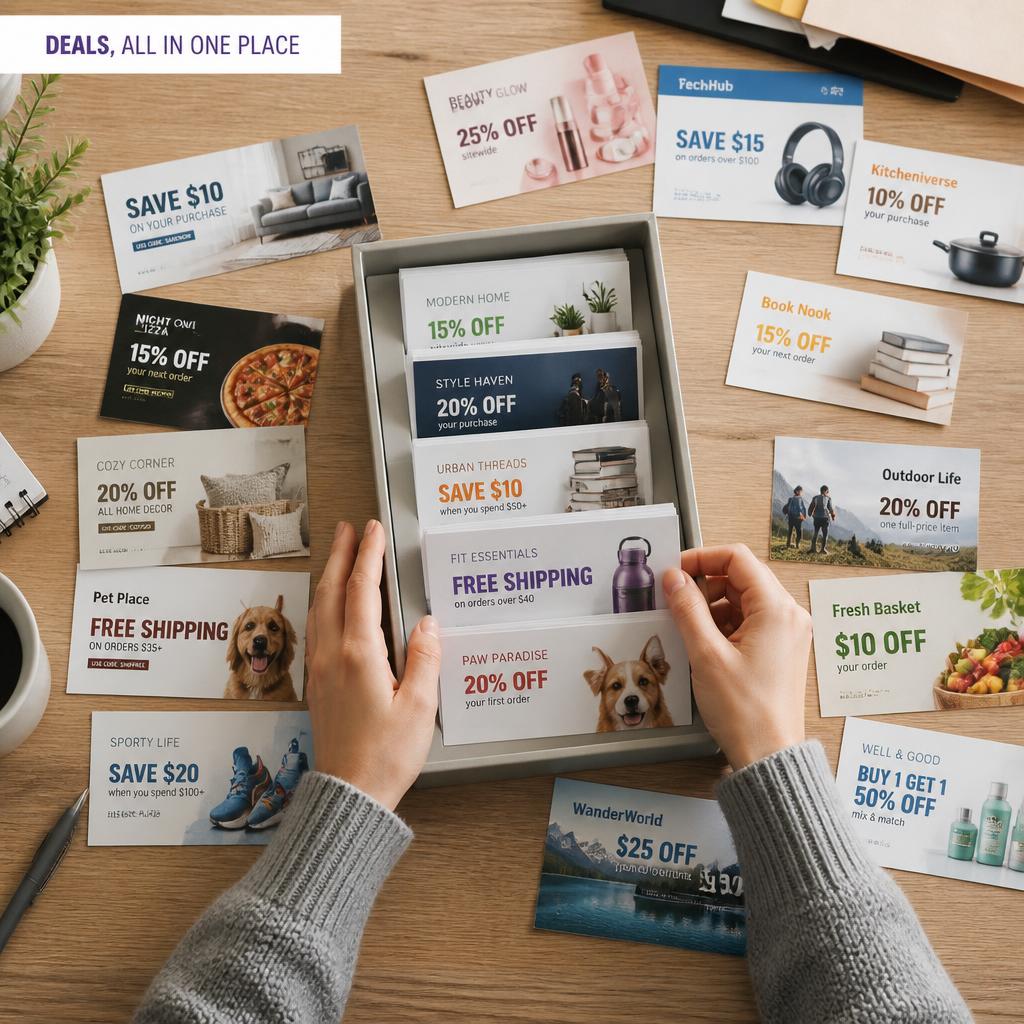
Coupon websites collect discounts from hundreds of retailers in one place.
Instead of checking multiple stores individually, you can browse available offers before making a purchase.
Browser Extensions
Shopping extensions automatically search for coupon codes while you're checking out.
They're one of the easiest ways for beginners to start saving money.
How to Use a Coupon Code
Using a coupon code is simple.
Most online stores include a field during checkout labeled:
- Coupon Code
- Promo Code
- Discount Code
To apply a coupon:
- Add your products to the cart.
- Proceed to checkout.
- Enter the coupon code.
- Click Apply.
- Confirm that the discount appears before completing payment.
Always check your order total to make sure the savings have been applied successfully.
Common Couponing Mistakes
Many beginners accidentally miss out on savings.
Avoid these common mistakes.
Only Searching at Checkout
Looking for coupons after you've already decided to buy may limit your options.
Start checking for discounts before adding items to your cart.
Ignoring Newsletter Offers
Retailers often reserve their best welcome discounts for email subscribers.
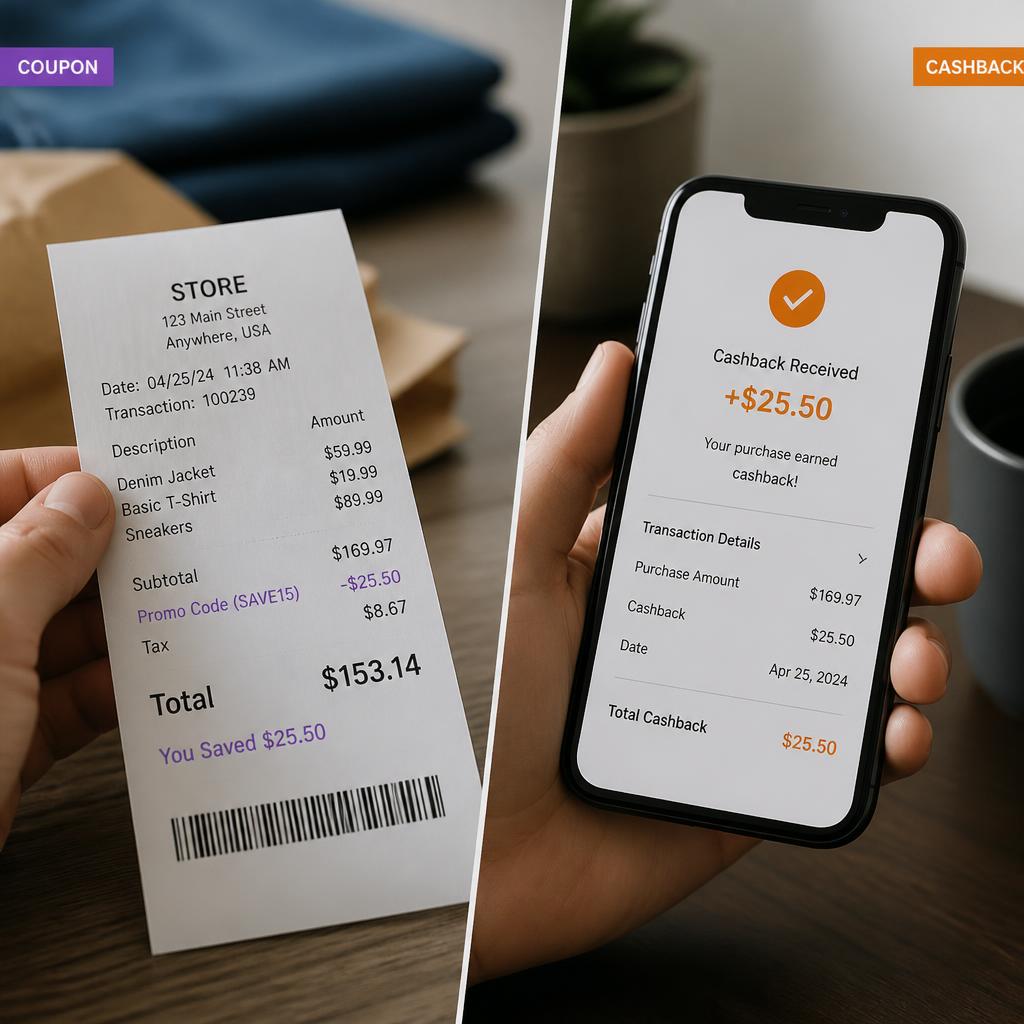
Forgetting Cashback
Coupons aren't the only way to save.
Many purchases also qualify for cashback rewards.
Buying Something You Don't Need
A discount isn't a bargain if you're purchasing unnecessary items.
Always shop with a plan.
How to Combine Multiple Savings
Experienced shoppers rarely rely on a single coupon.
Instead, they combine different savings opportunities.
For example:
- Shop during a sale.
- Apply a coupon code.
- Activate cashback.
- Redeem loyalty points.
- Qualify for free shipping.
Each saving may seem small individually, but together they can significantly reduce your final cost.
Create a Simple Couponing Routine
You don't need to become an expert overnight.
Before every online purchase, follow these steps:
Step 1
Compare prices across different retailers.
Step 2
Check whether the store has a welcome discount.
Step 3
Look for an active coupon code.
Step 4
See if cashback is available.
Step 5
Review shipping costs before placing your order.
This routine usually takes only a few minutes but can save money on almost every purchase.
Example of Coupon Savings
Imagine you're buying a backpack priced at $100.
You find:
- 15% welcome discount
- Free shipping worth $8
- 5% cashback
Your savings look like this:
- Coupon discount: $15
- Shipping savings: $8
- Cashback: $5
Total savings: $28
Without changing what you were buying, you've reduced your overall cost by nearly 30%.
How Much Can Beginners Save?
The amount depends on how often you shop.
Even if you save only:
- $5 here
- $10 there
- $20 during major sales
Those savings quickly add up over a year.
Many regular online shoppers save several hundred dollars annually simply by spending a few extra minutes looking for available promotions.
Build Good Shopping Habits
Successful couponing isn't about finding massive discounts every time.
It's about consistency.
Develop habits such as:
- Comparing prices before buying.
- Looking for store promotions.
- Checking for updated coupon codes.
- Shopping during seasonal sales.
- Joining loyalty programs for stores you use regularly.
These small habits become second nature over time.
Final Thoughts
Couponing is one of the easiest ways to spend less without sacrificing the products you want.
You don't need complicated spreadsheets, hours of research, or dozens of apps to get started.
Simply learning where to find discounts, understanding how different coupons work, and checking for savings before every purchase can make a noticeable difference to your budget.
The more consistently you apply these habits, the more you'll save over time—and you'll soon wonder why you ever paid full price in the first place.